St. Louis · Eastern Missouri
St. Louis Nursing Home Abuse Lawyers Fighting for Vulnerable Residents
When a loved one suffers an unexplained injury, a sudden decline, neglect, or an unexpected death inside a nursing home or assisted living facility, your family deserves answers. We help St. Louis families figure out what happened and what options may be available.
Confidential. No obligation. Speaking with us does not create an attorney-client relationship.
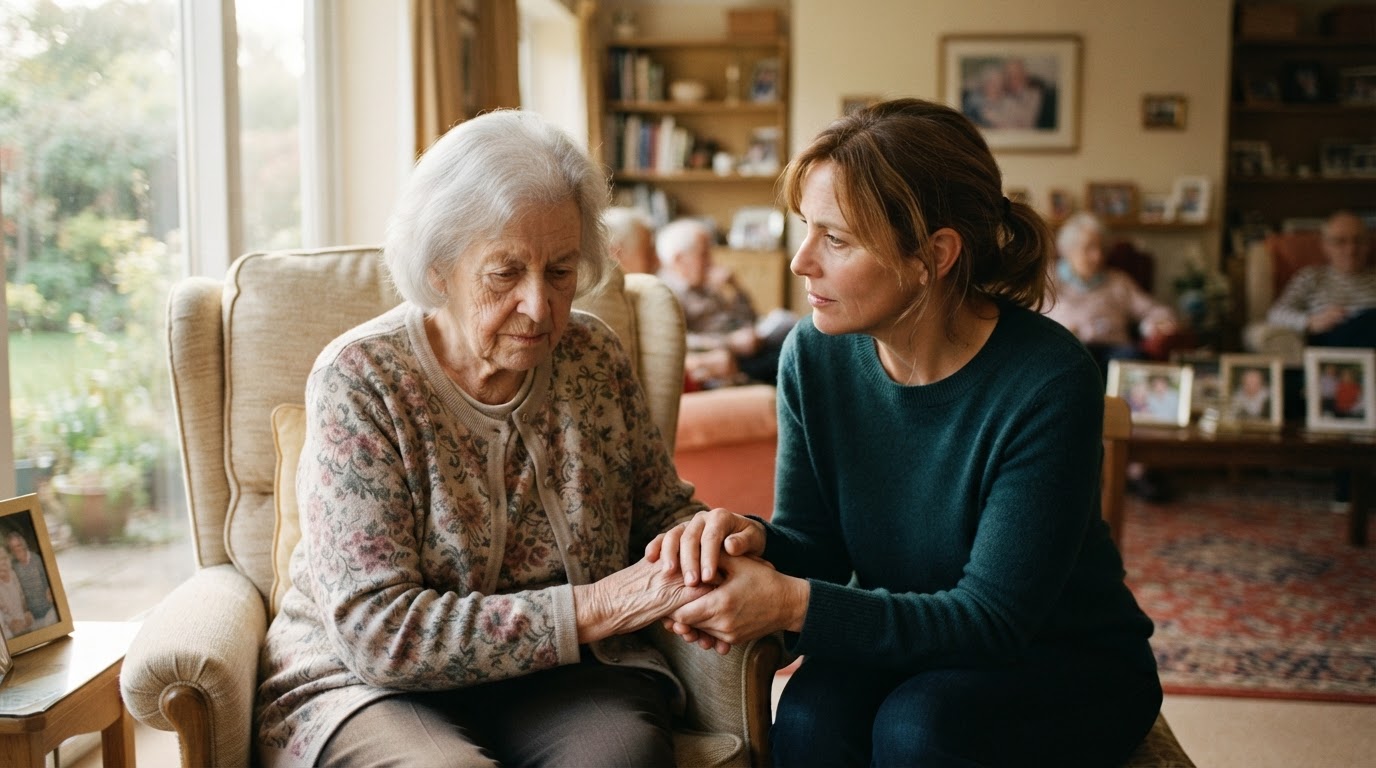
You noticed something that didn't make sense
You don't need to know exactly what happened before speaking with someone
Suspected nursing home abuse or neglect often begins with a detail that simply doesn't fit. A new pressure wound. An unexplained fall. Sudden weight loss. An infection that shouldn't have happened. For many families, the first sign is a feeling that something is wrong. That is enough reason to ask questions.
Practice Areas
Nursing Home Abuse and Neglect Cases We Handle
Each situation is different. These are the most common concerns families bring to us, but they are not the only ones.
Nursing Home Neglect
Failures in basic care, supervision, nutrition, hydration, and timely medical attention that leave vulnerable residents injured or in decline.
Learn moreBedsores & Pressure Ulcers
Pressure injuries that can develop when immobile residents are not repositioned, monitored, or treated as a care plan requires.
Learn moreNursing Home Falls & Fractures
Hip fractures, head injuries, and broken bones from falls, unsafe transfers, and inadequate fall-risk precautions.
Learn moreNursing Home Medication Errors
Wrong medication, wrong dosage, missed doses, overmedication, and the misuse of drugs as chemical restraints.
Learn moreNursing Home Wrongful Death
When a loved one dies after suffering neglect, abuse, or preventable injury in a nursing home or assisted living facility.
Learn moreOther forms of harm
We also evaluate situations involving physical abuse, sexual abuse, emotional abuse, malnutrition, dehydration, infections and sepsis, choking, wandering and elopement, improper or chemical restraints, understaffing, failure to provide medical attention, poor hygiene, resident-to-resident assaults, financial exploitation. If your concern isn't listed, it's still worth a conversation.
Understanding Neglect
What does nursing home neglect look like?
Abuse is intentional harm. Neglect is the failure to provide the care a resident needs, and it can be just as dangerous.
A serious injury in a nursing home doesn't always mean someone meant to cause harm. Often, it reflects a breakdown in care: too few staff, inadequate supervision, or a failure to follow the care plan written for that resident.
Neglect can take many forms. Residents may not be repositioned, so pressure wounds develop. Call lights go unanswered, so residents try to get up alone and fall. Medication is given incorrectly, or not at all. Nutrition and hydration slip until a resident becomes dangerously weak.
Still, an injury alone does not necessarily prove neglect. A fall, a pressure wound, or an infection may be a warning sign and can warrant further investigation, but each situation has to be reviewed on its own facts.
Warning Signs
Signs your loved one may be experiencing abuse or neglect
Many of these signs can have innocent explanations. But when several appear together, or when the facility's explanations don't add up, it's worth taking a closer look.
- Unexplained bruises, cuts, or burns
- Fractures or broken bones
- Pressure wounds or open sores
- Rapid, unexplained weight loss
- Signs of dehydration
- Recurring infections
- Sudden personality or mood changes
- Fear or anxiety around particular staff
- Poor hygiene, soiled bedding or clothing
- Unexplained changes in medication
- Frequent falls
- Untreated pain or delayed medical care
- Wandering or elopement incidents
- Missing belongings or unexplained withdrawals
Why Investigation Matters
Why these cases require a thorough investigation
The visible injury often tells only part of the story. Understanding what happened usually means looking beneath it.
A bruise, a fracture, or a pressure wound is what the family sees. What matters legally is often what led up to it: the staffing, the care plan, the warnings that were or weren't heeded. That information lives in records.
We can't promise access to every record, and some may not be legally obtainable without formal steps. But knowing what exists helps determine whether a closer look is warranted.
Eastern Missouri
Helping families facing nursing home abuse in St. Louis and across Eastern Missouri
From the city to the surrounding counties, families across the region turn to us when something inside a long-term care facility doesn't make sense.
We work with families throughout Greater St. Louis and Eastern Missouri. A nursing home in St. Louis City, St. Louis County, or St. Charles County operates under the same basic obligations to its residents, whether it's a large skilled nursing facility or a smaller assisted living community.
Local context matters. We are familiar with the kinds of facilities families encounter here and the questions that come up when a resident's condition suddenly changes. If your loved one is in a home anywhere in the St. Louis area, we're glad to listen.
Communities we serve
St. Louis · St. Louis County · St. Charles · Chesterfield · Clayton · Florissant · Kirkwood · Webster Groves · Creve Coeur · Ballwin · Maryland Heights · University City · Wildwood · O'Fallon · Wentzville
Practical Guidance
What to do if you suspect nursing home abuse
A few steps can protect your loved one and preserve information that may matter later.
Address safety first
If there is a medical emergency or immediate danger, get your loved one to care or to safety before anything else.
Document what you see
Photograph visible injuries where appropriate, and keep a written log of dates, names, and changes in condition.
Preserve communications
Save texts, emails, care conference notes, and anything the facility has put in writing.
Ask questions
Ask staff and physicians to explain unexplained injuries or declines. Note the answers, and note when answers don't come.
Report to authorities
Serious concerns can be reported to the appropriate Missouri oversight authorities responsible for long-term care facilities.
Speak with an attorney
Consider speaking with a nursing home abuse lawyer about preserving evidence and evaluating what happened, before records are lost.
This is general information, not personalized legal advice. For guidance on your specific situation, please contact us.
The Process
How a nursing home abuse claim may work
Not every inquiry becomes a lawsuit. The goal of an initial conversation is simply to understand what happened and whether it deserves a closer look.
Tell Us What Happened
You share what you have noticed about your loved one's care, condition, or injury. No detail is too small.
Review the Circumstances
We listen carefully and consider whether the situation may warrant a closer look.
Investigate the Care Provided
Where appropriate, we examine medical records, nursing notes, and facility history to understand what occurred.
Identify Potentially Responsible Parties
We work to determine who may bear responsibility, from individual caregivers to the facility itself.
Pursue Accountability When Appropriate
If the facts support a claim, we pursue accountability on behalf of your family.
Compensation
What a successful claim may help recover
Every case is different, and no outcome can be guaranteed. But Missouri law may allow families to seek certain damages when neglect or abuse causes harm.
- ·
Medical expenses
Treatment, hospitalization, and additional care made necessary by the injury or neglect.
- ·
Pain and suffering
Compensation for the physical pain and emotional distress a resident endured.
- ·
Additional care needs
The cost of higher acuity care, rehabilitation, or relocation a family must now arrange.
- ·
Losses from serious injury
Other legally recoverable losses tied to a significant, preventable injury.
- ·
Wrongful death damages
Where neglect or abuse contributed to a death, certain damages may be available to the family under Missouri law.
This is general information about categories of damages, not a guarantee of any outcome or amount.
Why Families Turn to Us
A focused, careful approach to nursing home cases
We can't tell you we have recovered millions or helped thousands of clients, because we won't invent credentials. What we can tell you is how we approach these cases.
Focused on Nursing Home Cases
Our attention centers on the care of elderly and vulnerable residents, not a broad personal-injury caseload.
Thorough Investigation
We take the time to review medical records, care plans, and facility history rather than rushing to a conclusion.
Clear Communication With Families
We explain what we are seeing, what we can and cannot determine, and what the options may be, in plain language.
Willingness to Examine Complex Medical Evidence
Pressure injuries, medication errors, and falls often turn on detailed medical and nursing documentation.
Compassionate, Respectful Guidance
Families come to us during a difficult time. We treat every concern with the seriousness it deserves.
No-Pressure Initial Case Review
Speaking with us is free and carries no obligation. [Fee arrangements are an editable placeholder.]
Frequently Asked Questions
Questions families often ask
These answers are general information, not legal advice for your specific situation.
What qualifies as nursing home abuse in Missouri?
Nursing home abuse generally refers to intentional harm or mistreatment of a resident, including physical, sexual, emotional, or financial abuse. Neglect, while not always intentional, can be equally harmful and involves the failure to provide needed care. Missouri law protects nursing home residents, but whether specific conduct rises to legal abuse or neglect depends on the facts and should be reviewed carefully.
What is the difference between nursing home abuse and nursing home neglect?
Abuse is an intentional act that harms a resident. Neglect is the failure to provide the care a resident needs, such as adequate food, water, hygiene, supervision, or medical attention, often stemming from understaffing or poor training. Both can cause serious injury, and the line between them is not always obvious without reviewing the records.
How do I know whether a pressure sore was caused by neglect?
Not every pressure sore means a facility was negligent. Pressure injuries can have several contributing factors, including a resident's overall health. However, a bedsore that develops or worsens despite a known risk, or that goes untreated, may warrant further investigation. A careful review of the care plan, repositioning logs, and nursing notes can help clarify what happened.
Can a nursing home be responsible for a resident's fall?
A fall does not automatically establish negligence. The question is often whether the facility took reasonable precautions based on the resident's known needs and fall risk. A history of repeat falls, ignored call lights, or a missing fall-risk assessment can suggest that reasonable precautions were not taken.
What should I do if I suspect nursing home abuse in St. Louis?
Address any immediate medical or safety emergency first. Document what you observe, note dates and names, and preserve any communications. You may also report concerns to the appropriate Missouri authorities. Consider speaking with a nursing home abuse lawyer about preserving evidence and evaluating your options.
Can I bring a claim if my loved one has dementia?
Yes. A dementia diagnosis does not remove a resident's right to proper care, and it does not prevent a family from seeking accountability. In fact, residents with cognitive impairments are often less able to report mistreatment, which makes careful investigation even more important.
Who can be held responsible for nursing home neglect?
Responsibility can extend beyond an individual caregiver. A facility, its management company, contracted medical providers, or the corporate owner may share responsibility, particularly when understaffing, inadequate training, or systemic failures contributed to the harm.
What if my loved one died after suffering nursing home neglect?
When a death may be connected to neglect, abuse, or preventable injury, families may have options under Missouri wrongful death law. These cases are time-sensitive and often depend on medical records, so it is important to seek guidance promptly.
How long do I have to bring a nursing home abuse claim in Missouri?
Missouri sets legal deadlines for filing claims, and the applicable period can vary based on the type of case and the circumstances. Because deadlines can permanently bar a claim, we encourage families to consult qualified legal counsel promptly rather than assuming a timeline. [Specific deadline — editable placeholder for verified Missouri statute citation.]
Do I need medical records before contacting a nursing home abuse lawyer?
No. You do not need to gather records or prove anything before reaching out. Explaining what you have noticed is often enough for an initial conversation. If the situation warrants a closer look, records can be obtained as part of that process.
Confidential. No obligation. Speaking with us does not create an attorney-client relationship.
Something happened to your loved one. You deserve to know why.
If an injury, decline, or death in a St. Louis nursing home doesn't make sense, tell us what happened. A conversation can help determine whether the circumstances deserve a closer look.
Confidential. No obligation. Speaking with us does not create an attorney-client relationship.